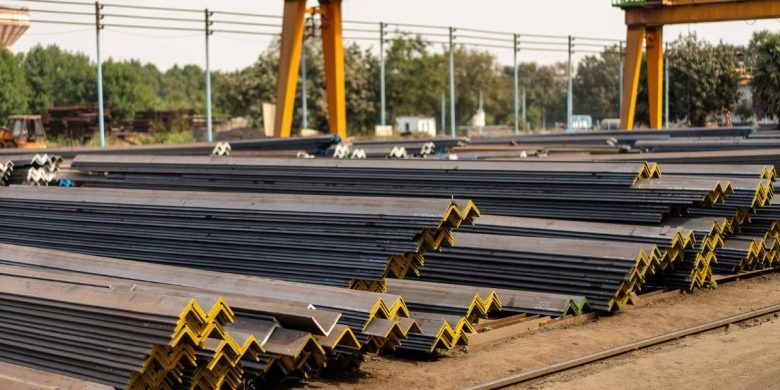
Steel remains one of the most important materials in modern industry. From commercial buildings and transportation infrastructure to agricultural facilities and manufacturing plants, steel supports many of the structures people rely on every day. Its durability, flexibility, and strength have made it an essential material across countless sectors.
As industries continue evolving, demand for precision manufacturing and dependable structural materials is increasing. Contractors, engineers, and project managers now expect suppliers to provide not only quality products but also consistency, technical expertise, and reliable service.
This growing demand has placed greater attention on experienced industrial suppliers that can support complex projects while maintaining high production standards.
The Importance of Hollow Structural Steel
Hollow structural steel plays a major role in modern construction because it provides excellent strength while remaining highly versatile. Its structural efficiency makes it suitable for a wide variety of commercial and industrial applications.
Working with a trusted HSS Steel Supplier helps businesses access materials designed to meet demanding structural requirements across multiple industries.
HSS products are widely used in commercial developments, industrial facilities, equipment manufacturing, and infrastructure projects where durability and performance are critical.
How Manufacturing Standards Continue to Evolve
Modern construction and industrial projects require increasingly precise manufacturing processes. Structural components must align with engineering specifications while maintaining strict quality and safety standards.
Advancements in fabrication technology have significantly improved production accuracy, allowing manufacturers to create steel products with tighter tolerances and more consistent results.
These improvements help reduce waste, improve project efficiency, and support stronger long-term structural performance.
The Role of Steel in Infrastructure Development
Infrastructure development depends heavily on strong and reliable materials. Bridges, warehouses, industrial buildings, transportation systems, and commercial facilities all require structural materials capable of withstanding demanding environmental and operational conditions.
Steel continues to be one of the most trusted materials for these applications because of its ability to support large-scale structures while maintaining long-term durability.
As cities and industries continue growing, the importance of dependable structural steel supply chains becomes even more significant.
Why Reliability Matters in Industrial Supply
Construction and manufacturing projects often operate under strict timelines and budgets. Delays in material delivery or inconsistencies in production can create major challenges for contractors and project managers.
Reliable industrial suppliers help reduce these risks by maintaining consistent quality standards and dependable production schedules.
Businesses increasingly prioritize long-term supplier relationships with companies capable of delivering both product quality and operational reliability.
The Connection Between Engineering and Fabrication
Engineering and manufacturing are closely connected in modern industrial projects. Structural requirements, technical drawings, and load calculations all influence how fabricated components are designed and produced.
This collaboration requires strong communication and technical understanding between engineers, manufacturers, and fabrication teams.
Experienced suppliers understand the importance of aligning production processes with engineering expectations to support safe and efficient project outcomes.
The Growth of Custom Fabrication Solutions
Many industrial projects now require custom steel components designed specifically for unique applications. Standardized products alone are often not enough to meet specialized engineering or operational needs.
Custom fabrication services help businesses create structural systems and components tailored to precise project specifications.
This flexibility allows manufacturers and construction teams to solve complex design challenges while maintaining efficiency and structural integrity.
Technology Is Transforming Industrial Production
Modern industrial production continues evolving through advancements in automation, precision machinery, and fabrication equipment.
Automated cutting systems, robotic welding, and advanced production technologies are helping improve consistency while reducing production times.
Companies that invest in modern equipment and efficient manufacturing processes are better positioned to meet growing industry expectations around precision and turnaround times.
Safety and Structural Performance
Safety remains one of the most important priorities within construction and industrial manufacturing. Structural materials must meet rigorous standards to ensure long-term reliability under demanding conditions.
High-quality steel products and professionally fabricated components contribute to stronger structural performance and reduced risk over time.
This attention to detail is especially important in projects where long-term durability and operational safety are critical.
The Value of Industry Experience
Industrial manufacturing involves complex technical requirements that often require significant experience and specialized knowledge.
Suppliers with strong industry backgrounds understand how to navigate fabrication challenges, material specifications, and evolving project demands more effectively.
Companies like Reliabletube support industries through structural steel expertise, fabrication capabilities, and industrial manufacturing solutions designed for modern commercial and industrial projects.
Supporting Long-Term Industrial Growth
Manufacturing and industrial services remain essential to economic growth across Canada. Steel supply and fabrication contribute to industries ranging from construction and agriculture to transportation and energy development.
As infrastructure and industrial demand continue increasing, reliable manufacturing partners will remain important contributors to long-term development and innovation.
The Future of Industrial Manufacturing
The future of manufacturing will continue emphasizing precision, efficiency, and adaptability. Projects are becoming more specialized, and businesses increasingly expect suppliers to deliver customized solutions while maintaining strict quality standards.
Advancements in technology and fabrication processes will continue shaping how industrial materials are produced and supplied in the years ahead.
In today’s industrial environment, strong supplier relationships, technical expertise, and dependable manufacturing capabilities are more important than ever — helping support the infrastructure and development projects that shape modern industries and communities.