
Home Improvement

How to Choose an Apartment That Still Works for You a Year From Now

Planning Their New Home Together

Finding an apartment can create a strong first impression. The rooms look clean, the furniture fits nicely, and the location seems convenient. It is easy to think, “This could work,” before considering whether the same apartment will still suit your life several months after moving in.
A rental home is a recurring commitment, so it deserves more than a quick comparison of rent and square footage. The better question is whether the apartment will continue to support your routines, responsibilities, and changing needs.

Start With How You Actually Live

Before comparing properties, think about what a normal week looks like.

Do you work from home several days a week? Do you rely on public transit? Do you have a vehicle? Do you regularly host friends or family? Do you need a quiet area for studying, hobbies, or video calls?

These details can change how useful an apartment feels.

A layout that seems spacious during a short viewing may feel less practical when a desk, dining table, storage furniture, and everyday belongings are added. Likewise, an attractive location may become inconvenient if it makes your regular commute unnecessarily difficult.

Make a short list of the things your home needs to support consistently. Separating genuine needs from features that simply look appealing can make the decision much clearer.

Look Beyond the Monthly Rent

Rent is obviously an important consideration, but it is not necessarily the only recurring housing expense.

Think about transportation, parking, utilities where applicable, laundry, storage, internet, and other regular costs that may affect your overall budget.

You do not need to predict every future expense perfectly. The goal is simply to understand the complete financial picture before making a commitment.

It is also worth considering whether an apartment saves time or creates additional costs elsewhere. A slightly different location, for example, might change commuting expenses or make everyday errands easier.

A housing decision should fit your broader budget rather than being evaluated in isolation.

Consider Whether the Layout Can Adapt

Your needs may change even if your lease does not.

A person who currently works entirely from an office may eventually need a dedicated work area. Someone living alone may eventually need additional storage or a more flexible living arrangement. A couple may want space for hobbies, exercise, or guests.

This does not mean you need to predict your life years into the future.

Instead, look for flexibility.

Can one area serve more than one purpose? Could part of the living room accommodate a desk without making the room uncomfortable? Is there enough storage to prevent everyday belongings from taking over the available space?

An adaptable layout can remain useful as routines change.

Pay Attention to Storage

Storage is one of the easiest features to underestimate during an apartment viewing.

An empty apartment can appear spacious because there are few belongings inside. Once clothing, seasonal equipment, kitchen supplies, cleaning products, luggage, and personal items arrive, available storage becomes much more important.

Consider what you already own rather than what the apartment looks like without furniture.

If you enjoy cycling, skiing, crafting, cooking, or another activity that requires equipment, think about where those items will actually go.

Good storage is not necessarily about having a huge amount of space. It is about having practical places for the things you use.

Think About Your Daily Commute

A neighbourhood can look appealing on a weekend visit and feel very different during a weekday routine.

Consider how long it takes to reach work, school, family, regular appointments, grocery stores, and other places you visit frequently.

If you drive, think about parking and typical travel patterns. If you use public transit, walking, or cycling, consider how easily those options fit into your daily schedule.

Convenience is personal.

An apartment close to a restaurant district may be ideal for one renter but less useful to someone who prioritizes quiet surroundings, green space, or a short commute.

The right location is the one that supports your actual lifestyle.

Evaluate the Building, Not Just the Suite

The apartment itself is only one part of the rental experience.

When viewing a property, pay attention to shared areas, entrances, elevators, laundry facilities, garbage and recycling areas, parking arrangements, and the general condition of spaces you will use regularly.

You are not trying to judge an entire building based on one quick visit. Instead, look for information that helps you understand what everyday life there might feel like.

Maintenance is particularly important.

Ask how residents are expected to report maintenance concerns and how communication generally works. Knowing the process before moving in can make it easier to handle routine issues later.

Renters comparing professionally managed housing can also consider providers such as Osgoode Properties while evaluating how building upkeep, resident communication, and day-to-day management fit their priorities.

The important point is to evaluate the overall living environment rather than focusing entirely on the finishes inside one suite.

Consider Noise and Privacy

Noise can be difficult to judge during a short apartment viewing.

Visit at a reasonable time and, where possible, pay attention to sounds from hallways, neighbouring units, traffic, mechanical equipment, or other shared spaces.

Think about your own tolerance for noise.

Someone who works irregular hours or sleeps during the day may have different priorities from someone who spends most weekdays outside the apartment.

Privacy matters as well. Consider window placement, proximity to common areas, balcony arrangements where applicable, and how comfortable you feel using the space during ordinary daily activities.

You cannot predict every sound or activity, but a careful viewing can help you identify questions worth asking.

Look at Laundry and Everyday Facilities

Small conveniences become much more noticeable when they are part of your weekly routine.

Think about where and how you will do laundry, store larger items, dispose of household waste, receive deliveries, and handle other ordinary tasks.

If a building has shared facilities, consider whether their location and arrangement are practical for you.

The same applies to parking.

If you own a vehicle, do not treat parking as an afterthought. Understand what arrangement applies to the apartment and whether it fits your household’s needs.

These details may not make a property exciting during a viewing, but they can have a meaningful effect on everyday convenience.

Think About the People You May Share the Home With

A rental decision can become more complicated when more than one person’s needs are involved.

Roommates, partners, children, or frequent overnight guests can change how much space and privacy are required.

Discuss practical expectations before choosing a home.

How will common areas be used? Is there enough storage? Will different schedules create conflicts? Does everyone have access to the facilities they need?

A layout that works perfectly for one person may feel restrictive when another person’s routine is added.

Planning around shared living can prevent problems that are difficult to solve after moving.

Review the Lease Carefully

The physical apartment is only part of the agreement.

Before signing, renters should review the lease and understand the terms that apply to their tenancy. Pay attention to matters such as the rental period, payment responsibilities, rules affecting the use of the property, and any conditions that are particularly important to your household.

If something is unclear, ask for clarification before signing.

Lease rules and tenant protections can vary by province, so renters should rely on the applicable provincial rules and the actual terms of their agreement rather than assumptions or advice intended for another jurisdiction.

Taking time to understand the agreement can make the move much more straightforward.

Think About the Next Twelve Months

One useful way to test an apartment is to imagine an ordinary Tuesday one year from now.

Picture yourself getting ready for work, preparing meals, storing seasonal belongings, doing laundry, receiving packages, relaxing after work, and dealing with your usual responsibilities.

Would the apartment still feel practical?

Would your commute still make sense? Would your workspace still work? Would you have enough storage? Would the building’s facilities continue to suit your routine?

This simple exercise can reveal issues that are easy to overlook when the focus is primarily on the excitement of moving.

You do not need a home that perfectly predicts the future. You need one with enough practicality and flexibility to accommodate reasonable changes.

Give Long-Term Comfort More Weight

An apartment does not have to be perfect to be a good choice.

Every rental property involves trade-offs. One may offer a better location while another provides a more suitable layout. Another may have features you appreciate but require compromises elsewhere.

The goal is to understand which compromises you can comfortably live with.

Instead of asking only whether you like an apartment today, ask whether it supports the way you expect to live throughout the rental term.

That means considering cost, location, storage, transportation, building upkeep, management, privacy, facilities, and flexibility together.

Choose for the Life You Want to Maintain

The most attractive apartment during a viewing is not always the one that makes the best long-term fit.

A successful rental choice is usually based on how well the property supports ordinary life: getting to work, preparing meals, keeping belongings organized, relaxing, maintaining routines, and handling the unexpected.

Take your time, ask practical questions, and compare properties against your actual priorities.

When you evaluate an apartment as a place you will live rather than simply a space you are viewing, it becomes easier to see beyond the first impression and choose a home that can continue to work well long after moving day.

How the Right Renovation Team Can Help Homeowners Build a Better Living Space

A home should feel comfortable, functional, and suited to the people who live there. Over time, however, the way a household uses its space can change. Families may need more room, better storage, improved layouts, updated finishes, or spaces that support new routines. A kitchen may feel too small, a bathroom may need better organization, or a basement may be ready to become a useful living area.

A well-planned renovation can help homeowners improve both the appearance and everyday function of their home. The best projects are not only about new materials or modern finishes. They are about creating spaces that feel easier to use, more comfortable to live in, and better connected to long-term needs.

Why Renovation Planning Matters

Every successful renovation starts with a clear plan. Before construction begins, homeowners need to understand what they want to change, what problems need to be solved, and how the finished space should work. This includes layout, lighting, storage, traffic flow, materials, budget, timelines, and construction requirements.

Working with Amsted Design-Build can help homeowners bring planning, design, and construction together through a more organized renovation process.

The Value of a Design-Build Approach

A design-build approach connects the design and construction sides of a project. Instead of working with separate teams that may not always communicate clearly, homeowners can move through the renovation with one coordinated process. This helps keep the design vision, construction details, and project goals aligned from the beginning.

When the people designing the space also understand how it will be built, decisions can be made with both creativity and practicality in mind. This can be especially helpful for larger renovations, home additions, and custom home projects.

Designing Around Everyday Life

A renovation should support the way people actually live. Beautiful finishes matter, but the space also needs to be practical. Homeowners should think about how they cook, relax, entertain, work, store belongings, and move through the home each day.

Good renovation design considers daily routines, natural light, storage, accessibility, traffic flow, and how each room connects with the rest of the house. These details can make the finished space feel more natural and easier to enjoy.

Kitchen Renovations for Better Function

The kitchen is often one of the most important rooms in a home. It is used for cooking, conversation, entertaining, homework, and daily family routines. When the kitchen layout is not working well, the entire home can feel less comfortable.

Homeowners searching for custom kitchen renovations often want better cabinet storage, more counter space, improved lighting, updated appliances, larger islands, pantry organization, and a layout that makes the kitchen easier to use every day.

Bathroom Renovations That Improve Comfort

Bathrooms may be smaller than other rooms, but they have a major impact on daily comfort. A bathroom renovation can improve storage, lighting, ventilation, accessibility, and overall appearance. It can also make the space feel cleaner, brighter, and more relaxing.

Common bathroom renovation improvements may include walk-in showers, updated vanities, better tilework, modern fixtures, improved mirrors, heated flooring, and smarter storage. When planned carefully, a bathroom can become both practical and comfortable.

Basement Renovations That Add Living Space

A basement can become one of the most useful areas of a home when it is renovated properly. Instead of being used only for storage, it can become a family room, guest suite, home office, gym, entertainment area, or flexible living space.

Basement renovations require careful attention to comfort. Lighting, ceiling height, insulation, moisture control, flooring, and layout all matter. When these details are handled well, the basement can feel like a natural extension of the main living area.

Home Additions for More Room

Sometimes a home needs more space rather than only a new layout. A home addition can create extra bedrooms, a larger kitchen, a family room, a home office, or expanded living areas. Additions require careful planning because the new space must connect properly with the existing structure.

A successful addition should feel like it belongs to the original home. Exterior style, rooflines, windows, interior flow, materials, and natural light all need to be considered so the finished space feels balanced and complete.

Custom Homes Designed With Purpose

For some homeowners, building a custom home is the best way to create a space that fully reflects their lifestyle. Custom home planning allows the layout, room sizes, storage, finishes, exterior style, and long-term needs to be considered from the beginning.

People interested in custom home building services often want a home that feels personal, practical, and carefully planned around the way they want to live now and in the future.

Balancing Style and Practicality

A successful renovation should look beautiful, but it should also work well in daily life. Materials, layouts, and finishes need to be chosen with regular use in mind. Flooring should suit the household, storage should be easy to access, and lighting should support both function and atmosphere.

Good design balances appearance with performance. This helps create a home that feels polished while still being comfortable, durable, and practical.

Respecting the Character of the Home

Many homeowners want to update their home without losing the details that make it special. A thoughtful renovation can modernize a property while still respecting the style, structure, and character of the existing home.

This is especially important for older homes or homes in established neighbourhoods. The best renovations feel fresh and improved without looking disconnected from the rest of the house.

Clear Communication During the Project

Renovation projects involve many decisions. Homeowners need to understand timelines, budgets, materials, design options, permits, and construction updates. Clear communication helps reduce stress and keeps the project moving in the right direction.

When communication is strong, homeowners can feel more confident at each stage. They know what is happening, what decisions are needed, and how the project is progressing.

Craftsmanship and Attention to Detail

Quality craftsmanship affects how a renovation looks, feels, and performs over time. Details such as cabinetry, trim work, tile installation, flooring transitions, lighting placement, paint finishes, and structural work all contribute to the final result.

Careful workmanship helps create a finished space that feels complete and well built. It also helps protect the homeowner’s investment by supporting long-term durability and comfort.

Creating Long-Term Value

A well-planned renovation can improve both daily living and long-term property value. Updated kitchens, bathrooms, basements, additions, and improved layouts can make a home more comfortable and more appealing.

However, value is not only about resale. A renovation adds value when it makes daily routines easier, creates more useful space, and helps homeowners enjoy their home more fully.

Final Thoughts

The right renovation team can help homeowners create spaces that feel more practical, beautiful, and comfortable. With thoughtful planning, clear communication, and careful craftsmanship, a home can be transformed into a better reflection of the people who live there.

Whether the project involves a kitchen, bathroom, basement, addition, or custom home, a coordinated design-build approach can help turn renovation ideas into a finished space that supports everyday life for years to come.

Transform Your Home with Expert Handyman Services in Ottawa

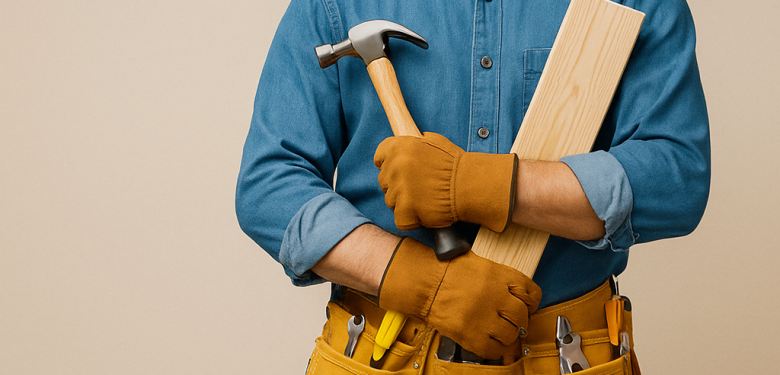
Chatgpt image jul 2, 2025, 12 07 56 pm

When it comes to maintaining and enhancing your home, there’s nothing more valuable than having a reliable handyman by your side. Whether it’s fixing a leaky faucet, renovating your basement, or taking care of a long-overdue to-do list, expert handyman services can save you time, money, and stress. At Gillespie Handyman, homeowners in Ottawa and the surrounding areas have a trusted partner for all their home improvement needs.

Why Hiring a Professional Handyman Matters

Many homeowners pride themselves on being DIY-savvy, but there are some tasks that are best left to professionals. A skilled handyman not only brings experience to the job but also ensures that repairs and improvements are done safely, efficiently, and to code.

Time and Cost Efficiency

Taking on a home project without the proper tools or experience can lead to costly mistakes. A handyman arrives with everything needed to get the job done right the first time, reducing the risk of rework or long delays.

Versatility of Services

One of the biggest benefits of working with a handyman is the wide variety of services they offer. From plumbing and electrical repairs to drywall patching and custom shelving, a handyman can handle it all without the need for multiple contractors.

Top Home Improvements to Consider This Season

Whether you’re planning to sell your home or simply want to improve your living space, certain upgrades can make a big difference in both functionality and resale value. Here are a few handyman-approved improvements that deliver a high return on investment:

Bathroom Updates

Updating your bathroom doesn’t always require a full renovation. Replacing old fixtures, re-grouting tiles, and installing a modern vanity can instantly refresh the space. A handyman can help with all these updates at a fraction of the cost of a full remodel.

Kitchen Touch-Ups

If a full kitchen overhaul isn’t in the budget, consider minor upgrades like adding a backsplash, installing new cabinet hardware, or repairing worn countertops. These small changes can dramatically improve the room’s appearance and functionality.

Exterior Repairs and Maintenance

Don’t overlook the exterior of your home. Fixing loose siding, repainting trim, or repairing your deck not only enhances curb appeal but also protects your home from the elements. Gillespie Handyman specializes in both interior and exterior services that make your home safer and more attractive.

Common Handyman Services That Make Life Easier

Still wondering how a handyman can help you? Here are some popular services that homeowners frequently request:

Drywall Repairs

From small holes to larger patches, drywall issues can be unsightly. A handyman can restore your walls seamlessly, matching texture and paint for a flawless finish.

Furniture Assembly and Mounting

Got a new entertainment unit or set of shelves? Avoid the frustration of confusing instructions and let a pro handle the assembly and secure mounting.

Tile and Flooring Installation

Whether you’re laying vinyl planks, ceramic tiles, or laminate, precise installation is key. A handyman ensures clean lines, proper subflooring, and long-lasting results.

Caulking and Sealing

Water damage often starts with poor sealing around tubs, sinks, or windows. Re-caulking these areas is a small job with a big impact, improving both appearance and protection.

Why Homeowners in Ottawa Trust Gillespie Handyman

Gillespie Handyman is more than just a service—it’s a commitment to quality, reliability, and client satisfaction. With a strong reputation in the Ottawa area, this team has helped countless homeowners tackle repairs, upgrades, and maintenance tasks with professionalism and care.

Local Expertise with a Personal Touch

Unlike larger chains, Gillespie Handyman offers a personal approach. Each project is tailored to the client’s needs, budget, and timeline. As a locally owned business, they understand Ottawa homes, weather challenges, and building codes—ensuring each job is done right.

Transparency and Trust

From the initial quote to the final cleanup, homeowners are kept in the loop. No surprises, just honest workmanship and straightforward pricing. Check out Gillespie Handyman to read testimonials and see the quality for yourself.

Tips to Maximize the Value of Handyman Services

If you want to make the most of your handyman visit, a little planning can go a long way. Grouping multiple small tasks together, preparing your space in advance, and prioritizing repairs can help you get the best value out of every hour of service.

Create a To-Do List

Walk through your home and jot down everything that needs attention. Even small things like squeaky hinges or loose tiles can be tackled in a single visit. This way, your handyman can move from task to task efficiently.

Book Seasonally

Scheduling services during slower seasons may mean quicker availability and more personalized service. Plus, taking care of key maintenance before winter or spring can prevent larger problems down the road.

Ask About Preventive Maintenance

Not all handyman work is reactive. Proactive maintenance, like inspecting caulking, checking smoke detectors, or tightening railings, can help avoid emergencies later on. Find out more about home maintenance and repairs at Gillespie Handyman’s website.

Final Thoughts: Invest in the Comfort and Value of Your Home

Your home is one of your biggest investments, and it deserves quality care. Whether you’re getting ready for the changing seasons, preparing your house for sale, or simply want to enjoy your space more, professional handyman services are a smart, efficient solution. With expert support from a trusted provider like GillespieHandyman.com, you can feel confident knowing your home is in good hands.

Ready to upgrade your home with trusted, local expertise? Schedule your next project today.

Simple DIY Bathroom Upgrades That Make a Big Impact

Simple DIY Bathroom Upgrades That Make a Big Impact

Renovating a bathroom can be a costly and time-consuming project, but you don’t always need to embark on a full-scale remodel to give your bathroom a fresh new look. With a few simple and affordable DIY upgrades, you can transform your bathroom and make it feel more modern and stylish. Here are some easy DIY bathroom upgrades that make a big impact:

1. Swap Out Fixtures

One of the easiest ways to give your bathroom a quick update is by swapping out old fixtures for new ones. Replacing outdated faucets, showerheads, and drawer pulls with modern alternatives can instantly elevate the look of your bathroom. Brushed nickel, matte black, or brass finishes are popular choices that add a contemporary touch. When choosing new fixtures, make sure they match your bathroom’s overall style for a cohesive look.

2. Repaint the Walls

A fresh coat of paint can do wonders for any room, and the bathroom is no exception. Repainting the walls is one of the most cost-effective ways to refresh your bathroom. Choose light, neutral colors like soft grays, whites, or pale blues to make the space feel larger and more open. For a bolder look, consider adding an accent wall with a pop of color or a trendy wallpaper pattern. Don’t forget to use moisture-resistant paint to prevent peeling and mold growth.

3. Upgrade the Mirror

The bathroom mirror is often overlooked, but it can serve as a focal point in the room. Replacing a basic, builder-grade mirror with a stylish, framed mirror can make a big difference in the overall look of your bathroom. Choose a mirror with an interesting shape, such as round or oval, or go for a mirror with a decorative frame that complements your bathroom’s style. A larger mirror can also help reflect light and make the space feel bigger.

4. Add New Lighting

Good lighting is essential in a bathroom, both for functionality and ambiance. Consider updating your bathroom lighting with new fixtures that provide better illumination. Wall sconces on either side of the mirror can offer flattering, even light for tasks like shaving or applying makeup. For a more modern look, consider installing LED vanity lights or a stylish pendant light above the sink. Adding dimmers can also allow you to adjust the lighting for different moods.

5. Install Floating Shelves

Floating shelves are a simple and stylish way to add storage to your bathroom without taking up too much space. They’re perfect for storing toiletries, towels, or decorative items like candles and plants. Install floating shelves above the toilet, next to the vanity, or in any unused space to keep your bathroom organized and clutter-free. Choose shelves in a material and finish that complements your bathroom’s design, such as wood, glass, or metal.

With these easy DIY upgrades, you can give your bathroom a fresh new look without the hassle of a full renovation. Swapping out fixtures, repainting the walls, upgrading the mirror, adding new lighting, and installing floating shelves are all simple projects that can make a big impact on the style and functionality of your bathroom. Best of all, these upgrades are affordable and can be completed in just a weekend, making them perfect for any DIY enthusiast.

Why do we use it?

It is a long established fact that a reader will be distracted by the readable content of a page when looking at its layout. The point of using Lorem Ipsum is that it has a more-or-less normal distribution of letters, as opposed to using ‘Content here, content here’, making it look like readable English. Many desktop publishing packages and web page editors now use Lorem Ipsum as their default model text, and a search for ‘lorem ipsum’ will uncover many web sites still in their infancy. Various versions have evolved over the years, sometimes by accident, sometimes on purpose (injected humour and the like).

It is a long established fact that a reader will be distracted by the readable content of a page when looking at its layout. The point of using Lorem Ipsum is that it has a more-or-less normal distribution of letters, as opposed to using ‘Content here, content here’, making it look like readable English. Many desktop publishing packages and web page editors now use Lorem Ipsum as their default model text, and a search for ‘lorem ipsum’ will uncover many web sites still in their infancy. Various versions have evolved over the years, sometimes by accident, sometimes on purpose (injected humour and the like).