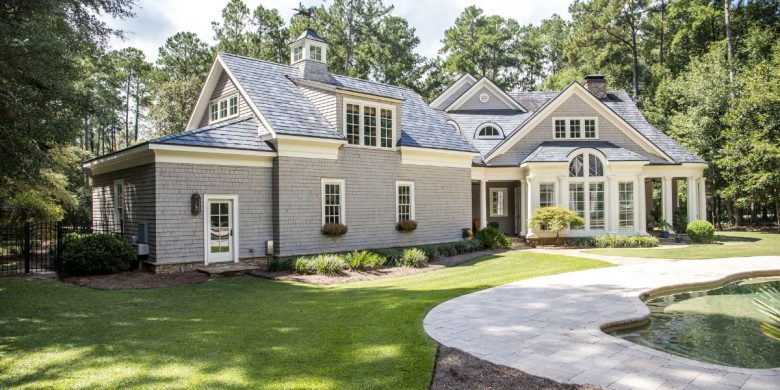
A home should feel comfortable, functional, and suited to the people who live there. Over time, however, the way a household uses its space can change. Families may need more room, better storage, improved layouts, updated finishes, or spaces that support new routines. A kitchen may feel too small, a bathroom may need better organization, or a basement may be ready to become a useful living area.
A well-planned renovation can help homeowners improve both the appearance and everyday function of their home. The best projects are not only about new materials or modern finishes. They are about creating spaces that feel easier to use, more comfortable to live in, and better connected to long-term needs.
Why Renovation Planning Matters
Every successful renovation starts with a clear plan. Before construction begins, homeowners need to understand what they want to change, what problems need to be solved, and how the finished space should work. This includes layout, lighting, storage, traffic flow, materials, budget, timelines, and construction requirements.
Working with Amsted Design-Build can help homeowners bring planning, design, and construction together through a more organized renovation process.
The Value of a Design-Build Approach
A design-build approach connects the design and construction sides of a project. Instead of working with separate teams that may not always communicate clearly, homeowners can move through the renovation with one coordinated process. This helps keep the design vision, construction details, and project goals aligned from the beginning.
When the people designing the space also understand how it will be built, decisions can be made with both creativity and practicality in mind. This can be especially helpful for larger renovations, home additions, and custom home projects.
Designing Around Everyday Life
A renovation should support the way people actually live. Beautiful finishes matter, but the space also needs to be practical. Homeowners should think about how they cook, relax, entertain, work, store belongings, and move through the home each day.
Good renovation design considers daily routines, natural light, storage, accessibility, traffic flow, and how each room connects with the rest of the house. These details can make the finished space feel more natural and easier to enjoy.
Kitchen Renovations for Better Function
The kitchen is often one of the most important rooms in a home. It is used for cooking, conversation, entertaining, homework, and daily family routines. When the kitchen layout is not working well, the entire home can feel less comfortable.
Homeowners searching for custom kitchen renovations often want better cabinet storage, more counter space, improved lighting, updated appliances, larger islands, pantry organization, and a layout that makes the kitchen easier to use every day.
Bathroom Renovations That Improve Comfort
Bathrooms may be smaller than other rooms, but they have a major impact on daily comfort. A bathroom renovation can improve storage, lighting, ventilation, accessibility, and overall appearance. It can also make the space feel cleaner, brighter, and more relaxing.
Common bathroom renovation improvements may include walk-in showers, updated vanities, better tilework, modern fixtures, improved mirrors, heated flooring, and smarter storage. When planned carefully, a bathroom can become both practical and comfortable.
Basement Renovations That Add Living Space
A basement can become one of the most useful areas of a home when it is renovated properly. Instead of being used only for storage, it can become a family room, guest suite, home office, gym, entertainment area, or flexible living space.
Basement renovations require careful attention to comfort. Lighting, ceiling height, insulation, moisture control, flooring, and layout all matter. When these details are handled well, the basement can feel like a natural extension of the main living area.
Home Additions for More Room
Sometimes a home needs more space rather than only a new layout. A home addition can create extra bedrooms, a larger kitchen, a family room, a home office, or expanded living areas. Additions require careful planning because the new space must connect properly with the existing structure.
A successful addition should feel like it belongs to the original home. Exterior style, rooflines, windows, interior flow, materials, and natural light all need to be considered so the finished space feels balanced and complete.
Custom Homes Designed With Purpose
For some homeowners, building a custom home is the best way to create a space that fully reflects their lifestyle. Custom home planning allows the layout, room sizes, storage, finishes, exterior style, and long-term needs to be considered from the beginning.
People interested in custom home building services often want a home that feels personal, practical, and carefully planned around the way they want to live now and in the future.
Balancing Style and Practicality
A successful renovation should look beautiful, but it should also work well in daily life. Materials, layouts, and finishes need to be chosen with regular use in mind. Flooring should suit the household, storage should be easy to access, and lighting should support both function and atmosphere.
Good design balances appearance with performance. This helps create a home that feels polished while still being comfortable, durable, and practical.
Respecting the Character of the Home
Many homeowners want to update their home without losing the details that make it special. A thoughtful renovation can modernize a property while still respecting the style, structure, and character of the existing home.
This is especially important for older homes or homes in established neighbourhoods. The best renovations feel fresh and improved without looking disconnected from the rest of the house.
Clear Communication During the Project
Renovation projects involve many decisions. Homeowners need to understand timelines, budgets, materials, design options, permits, and construction updates. Clear communication helps reduce stress and keeps the project moving in the right direction.
When communication is strong, homeowners can feel more confident at each stage. They know what is happening, what decisions are needed, and how the project is progressing.
Craftsmanship and Attention to Detail
Quality craftsmanship affects how a renovation looks, feels, and performs over time. Details such as cabinetry, trim work, tile installation, flooring transitions, lighting placement, paint finishes, and structural work all contribute to the final result.
Careful workmanship helps create a finished space that feels complete and well built. It also helps protect the homeowner’s investment by supporting long-term durability and comfort.
Creating Long-Term Value
A well-planned renovation can improve both daily living and long-term property value. Updated kitchens, bathrooms, basements, additions, and improved layouts can make a home more comfortable and more appealing.
However, value is not only about resale. A renovation adds value when it makes daily routines easier, creates more useful space, and helps homeowners enjoy their home more fully.
Final Thoughts
The right renovation team can help homeowners create spaces that feel more practical, beautiful, and comfortable. With thoughtful planning, clear communication, and careful craftsmanship, a home can be transformed into a better reflection of the people who live there.
Whether the project involves a kitchen, bathroom, basement, addition, or custom home, a coordinated design-build approach can help turn renovation ideas into a finished space that supports everyday life for years to come.


